
VDMA machinery forecast 2026: production −2%, orders +5%, and why the German machine slot a Pakistani buyer books before 31 December is the cheap one
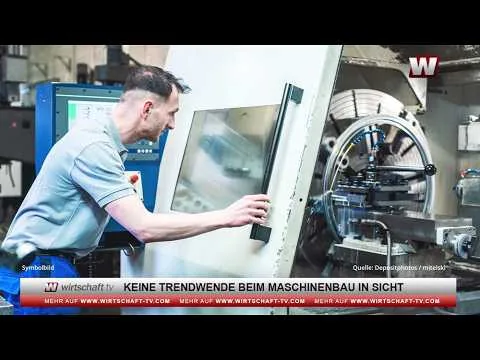
The headline number in VDMA's release of 17 September is minus 2 per cent. The number a buyer needs is three paragraphs down: plus 5. The first is what German machinery plants will produce this year, in real terms, the fourth annual fall in a row. The second is what they have been asked to build. A plant that is producing less than last year while its order book grows is a plant that can quote you a slot, and the release says why: "Technical capacity remained significantly underutilised."
That is the article. A German machine is available this quarter, at this year's price, and the same week's Japanese customs table says the alternative is not.

What the release says, and what it is careful not to say
VDMA speaks for German mechanical and plant engineering as a whole, a wider body than VDW, whose machine-tool half-year figures this site read on 12 September. Its economists had forecast stagnation for 2026. On Wednesday they revised that to "a real decline of 2 per cent", because production in the first seven months ran 4.1 per cent below 2025. For 2027 they expect "a real increase in production of 3 per cent".
The order line is worded precisely. "Price-adjusted order intake rose by 5 per cent year-on-year in the first seven months." Price-adjusted means the nominal figure is higher; the list price moved and VDMA has stripped it out. Orders from outside the eurozone rose 14 per cent. "Demand from the German domestic market remains significantly behind that from abroad." So the growth is export orders, priced in euros, from customers like the ones reading this.
What the release does not contain: a sub-sector split, a machine-tool number, a quarterly path, or any table. The statistics sit behind the members' login. The 2027 figure is conditional in the association's own words: the turnaround holds "only" if "improved investment conditions mobilise private capital", and the risks named are "high geopolitical uncertainty, higher interest rates and Germany's persistently weak competitiveness as a business location". Read it as a forecast with a footnote, because that is what it is.

The Japanese line in the same week
Japan's Ministry of Finance published August's provisional trade table on 16 September. Metalworking machinery exports were ¥105.1 billion, up 26.8 per cent on August 2025. To the United States, ¥24.3 billion, up 80.3 per cent. To the EU up 14.8 per cent, to China up 21.2 per cent, to Korea up 22.4 per cent. To ASEAN, down 17.0 per cent. To the Middle East, ¥0.45 billion, down 10.3 per cent.
Two cautions the table itself imposes. These are yen values with no quantity column for this line, so part of the rise is price and currency. And the table says where the machines went, not why. What it shows without inference is that Japanese makers, already carrying the backlog the 9 September post measured at 6.7 months of work, shipped four-fifths more to American plants in one month, and less to South-East Asia, the region a Karachi shop shares a shipping lane with.
| Series | Who publishes it | Period | Figure |
|---|---|---|---|
| German machinery production, forecast | VDMA, 17 Sept | 2026 | −2% real (was: stagnation) |
| German machinery production, actual | VDMA, 17 Sept | Jan–Jul 2026 | −4.1% real |
| German machinery orders, price-adjusted | VDMA, 17 Sept | Jan–Jul 2026 | +5%; non-eurozone +14% |
| German machinery production, forecast | VDMA, 17 Sept | 2027 | +3% real, conditional |
| German machine-tool orders / production | VDW, H1 release | Jan–Jun 2026 | +14% / −7% |
| Japanese metalworking-machinery exports, yen | MOF Japan, 16 Sept | Aug 2026 | +26.8%; to USA +80.3%; to ASEAN −17.0% |
What a buyer does with two tables pointing opposite ways
Put the German RFQ out now, and put the delivery date in it. The 6 September checklist still applies; add one question for the German distributor and one for the Japanese. To the German: what has the list price done since January, because VDMA's plus 5 is after stripping it out. To the Japanese: which month is the next open slot, and in which currency the quote is fixed.
Then read the conditions on the 2027 number as a buyer, not an economist. A maker that expects to grow next year on "rising investment in equipment" is a maker that expects to stop needing your order. The negotiable quote is the one written while the shop is "significantly underutilised". VDMA has just told you that is this year.
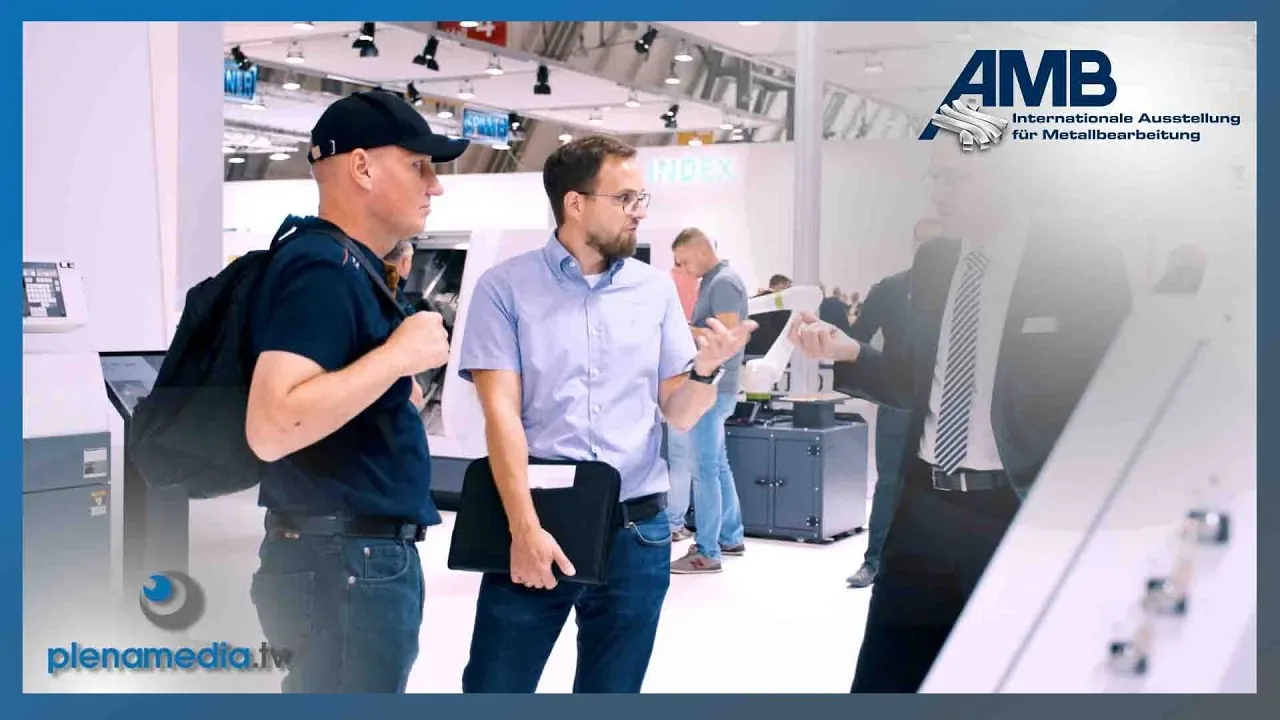
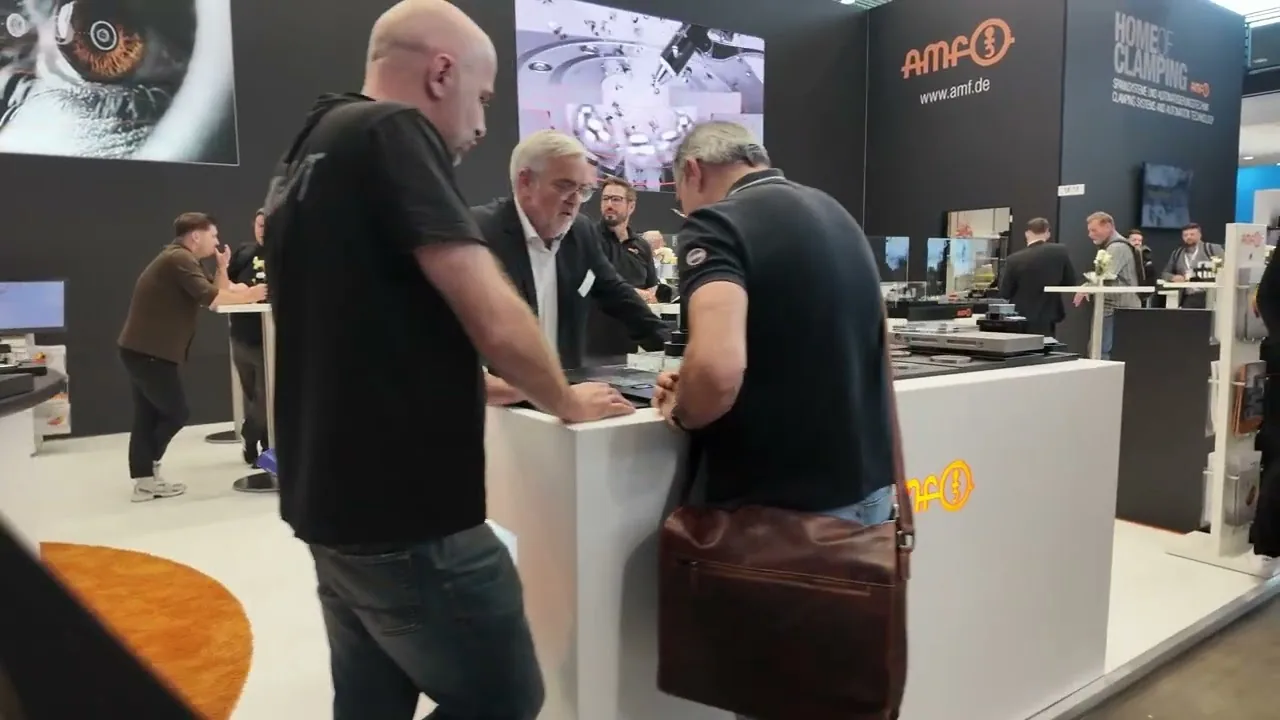
The stands at AMB in Stuttgart this week are the same plants. An exhibitor with 4.1 per cent less work than last year and a Pakistani buyer in front of them with a drawing is not a difficult meeting.
My read, and it is mine rather than VDMA's: the plus 3 for 2027 does not reach its first birthday intact. The 2026 figure went from zero to minus 2 in the two months between the July video and Wednesday's release, on a production run that was already minus 4.1 with orders only plus 5, and every risk the association names sits outside a plant manager's control. I expect VDMA to revise its 2027 production forecast below plus 3 per cent before 30 June 2027. If it holds or rises, the German slot I am telling you to book now was still the right call; it will just have been cheaper than I thought.
Sources
- Machinery production in 2026 weaker than expected — growth forecast for 2027, VDMA press release, 17 September 2026 (quotes from Dr Johannes Gernandt, VDMA chief economist)
- Value of Exports and Imports August 2026 (Provisional), Ministry of Finance, Japan, 16 September 2026 — pages 3 and 5 to 11 for metalworking machinery by destination
- 2026 Production Forecast for Mechanical and Plant Engineering, VDMAonline
- Dr. Johannes Gernandt: Order intake in mechanical engineering, December 2025, VDMAonline
- No turnaround in sight for mechanical engineering, wirtschaft tv
- AMB 2026 trade fair film, plenamediatv
- Machine Insider Team Visits AMB Stuttgart 2026, Dynamic Manufacturing India